
Is Wake and Bake Actually a Thing People Do?
|
|
Time: 7 min



Product Finder
Find Your Nine Realms Match
Answer 5 quick questions to find your perfect cannabinoid product.
How familiar are you with cannabinoid products?
What kind of product are you looking for?
Where and how do you usually use cannabis?
What kind of effect are you looking for?
When should it kick in, and how long should it last?

Welcome to
Nine Realms
Our store is intended exclusively for people 18 years of age or older. Please confirm your age to continue.
By clicking here, you agree to our Terms and Conditions and Privacy Policy.
|
|
Time: 7 min
Wake and bake sounds like a cannabis joke half the time it comes up, the kind of thing people toss around without ever checking if anyone actually does this cannabis ritual regularly. Turns out a real global survey asked exactly that question. No joke there. The answer isn't quite what you'd guess.
Table of Content
TL;DR: Wake and bake means using cannabis in the first hour after you're up, often enough that it counts as a settled daily pattern. The term itself is from 1987. The habit is decades older than that, and a 2017 survey of nearly 70,000 cannabis users found close to 1 in 5 smokers light up a joint or hit a bong in the morning regularly.
Wake and bake describes using cannabis within roughly the first hour of getting up, before coffee, before breakfast, sometimes before you've even left the bed. It's less about one lazy morning off and more about a routine you build your day around, the same way someone else builds a morning around espresso or a run around the block. Simple enough on paper.
There's a bit of wordplay baked into the name (pun very much intended). "Baked" is slang for being high, and the rhythm almost certainly borrows from "shake and bake," the instant coating mix that sat in American kitchen cupboards decades before anyone rhymed it with cannabis. Whoever coined the phrase clearly enjoyed the joke as much as the ritual it describes.
What actually matters here is frequency, not the act itself. Plenty of people have used cannabis in the morning once, on holiday or some lazy Sunday, without it meaning anything about their habits. The term is for people doing this morning after morning, the same way "night owl" describes a pattern and not one late night you happened to have.
According to Merriam-Webster, the first documented use of wake and bake dates to 1987. The practice itself is a lot older, tracing loosely back to 1960s and 1970s counterculture, long before anyone bothered giving it a name. By the late 1980s and through the 1990s, the phrase spread through stoner culture, music, and comedy until it turned into one of those terms almost everyone recognises, even people who've never touched cannabis in their life.
That gap between the practice and its name is worth sitting with for a second, especially if you assumed the phrase was as old as the habit itself. A lot of cannabis culture works this way. The behaviour exists quietly for years, sometimes decades, and the label only shows up once enough people need a shorthand for it. Did the cannabis ritual exist before anyone had a word for it? Pretty clearly, yes, and by decades. Language tends to catch up to habit, not the other way around.
Here's where most articles on wake and bake shrug and jump straight to a strain list, skipping right past the question you're actually here for. A 2017 Global Drug Survey, one of the largest annual surveys of drug use worldwide, asked cannabis users directly how soon after waking they typically use. Nearly 70,000 people across roughly 50 countries answered honestly, which is a genuinely large sample for a question most people don't admit to out loud.
The United States topped the list. 21.9% of American cannabis users reported using within an hour of waking up. Roughly one in five, a proportion large enough to say something about the culture as a whole.
Country |
Share using cannabis within 1 hour of waking |
United States |
21.9% |
Mexico |
18.4% |
Greece |
15.9% |
Canada |
14.9% |
Brazil |
14.3% |
Nobody covering this topic in German cannabis content actually cites a number like this. Most articles just say "some people do it" and leave the actual answer out entirely, which is a strange thing to skip when a real, citable answer exists and took one search to find. Is one country's number the whole story? Hardly. Mexico, Greece, Canada, and Brazil all land in the same rough territory, mid-teens to low-twenties, so if you assumed this was an American quirk, the rest of the table says otherwise.
Ask people who do this regularly and the reasons cluster fairly predictably. Relaxation before a demanding day, mostly. Or a boost to focus and creativity before the morning routine kicks in. Sometimes it's simpler: a preference for a mellow start to the day (ask any barista running their own version of the ritual, minus the cannabis). Some frame it exactly like a morning coffee, a small, deliberate shift in how the first hour feels before anything else happens.
Some people point to anandamide, the body's own cannabinoid-like compound tied to mood and thought to shift with the body's circadian rhythm, as part of why a morning session reportedly feels different from an evening one. Does knowing the chemistry change how it feels? Not really, most people couldn't tell you what anandamide is and use the ritual anyway. None of this should be read as a therapeutic claim of any kind. It's what people report choosing for themselves, not something proven to treat or fix anything in particular.
Germany's cannabis laws don't care what time you use. Morning or evening, doesn't matter. The same personal possession and cultivation rules under the 2024 Cannabis Act and its later amendments apply regardless of when you use. If you're unsure about the specific limits where you live, that's worth checking against a current legal source rather than assuming a lifestyle article like this one covers every detail.
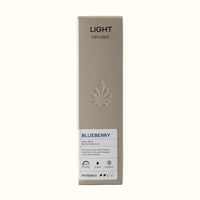
If there's one thing worth taking from this: not every product is built for a morning session, and most weren't designed with this ritual in mind at all. Our Light cannabis product range is the one we'd actually point you toward here.
Lower potency by design, enough for the mood lift people are after without tipping into the kind of high that ends your morning instead of starting it. You stay functional, you get through the day, you remain a productive member of society.
That's the whole pitch. The gap between what people assume about a phrase like this and what a real survey actually found is basically the whole reason this piece exists.
The wake and bake ritual has a real name and real numbers behind it now, closer to one in five cannabis users than you'd probably guess walking in. The term is younger than the practice it describes. The data behind it is more concrete than most articles bother to check before publishing (coffee drinkers, take note).
"A morning ritual is still a ritual, whether it involves coffee, a run, or some of that good stuff."
It means using cannabis within the first hour of waking up, done often enough to count as a routine, day after day. The term first showed up in print in 1987.
It carries the same tolerance considerations as any daily habit. One study found morning users reported higher daily consumption and more withdrawal difficulty than evening users, so it's a habit worth being honest with yourself about.
According to the 2017 Global Drug Survey, 21.9% of American cannabis users reported using within an hour of waking, the highest rate among the countries surveyed. Mexico followed at 18.4%, then Greece at 15.9%.
Merriam-Webster dates the first documented use to 1987, most likely a play on "shake and bake." The practice itself is older, tracing loosely back to 1960s and 1970s counterculture, decades before it had a name.
Author: Jans Beloglazovs
Emerging from Europe's strict cannabis landscape, Jan has become a known figure in the European cannabis industry through vast experience in cannabusiness and a keen understanding of the shifting trends in Europe. Co-founding the Nine Realms cannabis brand, he leverages his expertise to advocate for progressive cannabis policies and educate a broad audience.


